iwinclub01.com: Premier League Matchday 16 Schedule: Super Hot Manchester Derby
Navigating Scheduling Conflicts and Broadcast Access
Fans attempting to secure viewing arrangements for the upcoming Manchester derby frequently encounter fragmented kickoff times, overlapping regional broadcasts, and contradictory listing formats across different platforms. The core problem lies in the absence of a single, centralized timeline that accounts for international transmission windows, stadium security protocols, and potential postponement contingencies. When Matchday 16 approaches, supporters rely on rapid updates to adjust travel plans, coordinate group viewings, or configure home broadcasting setups without missing critical pre-match build-up. This fragmentation creates unnecessary friction, especially when traditional television guides fail to reflect real-time adjustments made by league organizers or local authorities.
The Premier League typically releases updated fixture windows within forty-eight hours of any scheduling shift, yet regional rights holders often stagger their promotional rollouts. Viewers in different time zones receive mismatched push notifications, leading to confusion over whether a match has been moved to Saturday evening, delayed until Monday afternoon, or retained in its original Friday slot. Compounding this issue is the proliferation of third-party aggregator sites that pull data from outdated XML feeds or manually edited spreadsheets. These discrepancies force dedicated followers to cross-check multiple outlets before committing to a viewing window, which defeats the purpose of streamlined matchday planning.
Official communications from the league emphasize a standardized kick-off protocol, but practical execution varies based on stadium traffic management requirements, local law enforcement directives, and commercial broadcast contracts. The Manchester derby carries elevated logistical weight due to high attendance volumes, restricted road access near the venue, and mandatory security sweeps that sometimes trigger minor timetable tweaks. Supporters who experience missed broadcasts or disrupted viewing parties usually trace the issue back to relying on secondary schedule mirrors rather than primary league bulletins. Establishing a clear, verified timeline remains the most effective solution to eliminate scheduling anxiety before matchday arrives.
 Hình minh hoạ: iwinclub
Official Fixture Parameters and Stadium Logistics
League administrators and club operations teams coordinate several layers of confirmation before publishing a definitive fixture sheet. The primary announcement outlines the designated stadium, assigned officiating crew, and baseline kickoff hour, all subject to standard operational buffers. For a high-profile encounter like the Manchester derby, additional parameters include pitch inspection schedules, training session restrictions, and perimeter access controls that directly influence spectator movement. These elements are rarely visible in casual schedule summaries but heavily impact matchday execution.
Stadium management typically enforces phased entry periods to distribute crowd flow evenly, which means early arrivals may face extended queue times despite an early listed start. Security personnel conduct random bag checks, electronic device screening, and credential verification that can modify the effective gate-open window. Referees arrive earlier for tactical briefings and kit inspections, ensuring uniform compliance with competition regulations. While these operational details do not change the official broadcast timestamp, they significantly alter the practical experience for attendees and remote viewers tracking live stadium feeds.
Weather conditions and air quality assessments also factor into final preparations. Meteorological services provide localized forecasts seventy-two hours ahead, prompting ground staff to evaluate drainage capacity, turf stability, and visibility thresholds. If precipitation exceeds predetermined thresholds, officials may delay pitch warming procedures or adjust warmup durations to protect player safety. Such adjustments remain provisional until the final medical and environmental review concludes on match morning. Clubs communicate these status updates through accredited channels, allowing supporters to anticipate minor timing shifts without assuming full postponements.
Television Rights Distribution and Streaming Windows
Broadcast allocation for top-tier fixtures follows a structured rotation system designed to balance regional exposure and commercial obligations. The Premier League grants exclusive territorial rights to licensed networks, which determine when and where the derby appears on linear television versus digital platforms. Certain regions require simultaneous multi-camera coverage, while others consolidate feeds into delayed highlights packages to comply with sporting blackout regulations. Viewers must identify their territorial jurisdiction to access legally sanctioned streams, as unauthorized redistribution violates licensing agreements and frequently results in service interruptions.
Streaming infrastructure providers deploy redundant server clusters to manage peak concurrent connections, yet bandwidth throttling remains common during high-demand intervals. Buffering spikes typically occur ten minutes before kickoff, during halftime transitions, and immediately following whistle blows when global audiences converge on shared video endpoints. Licensed platforms implement adaptive bitrate technology to mitigate quality degradation, but network congestion outside major metropolitan hubs still produces noticeable latency. Subscribing to certified distribution partners ensures stable playback without violating copyright restrictions.
Aggregation tools simplify discovery by consolidating regional listings into unified dashboards, though accuracy depends on feed synchronization speed. Platforms like iwinclub occasionally compile broadcast calendars alongside fixture data, offering convenience for users seeking centralized reference points. However, independent verification against league-published schedules remains essential, as third-party interfaces may lag behind last-minute network swaps or emergency programming overrides. Maintaining awareness of official broadcaster announcements prevents accidental enrollment in pirated feeds that compromise security and disrupt viewing continuity.

Managerial Press Conferences and Probable Lineups
Tactical preparation intensifies seventy-two hours before kickoff, with both coaching staffs conducting closed-door strategy sessions and controlled training drills. Press conferences serve as the primary public interface for managerial insights, yet responses often remain deliberately guarded to preserve competitive advantage. Managers address squad availability, formation flexibility, and set-piece execution without revealing concrete starting elevations. Journalists extract patterns from repeated phrasing, injury rehabilitation timelines, and rotational history to construct educated projections.
Injury reports follow a structured disclosure protocol, categorizing players as doubtful, questionable, or ruled out based on medical evaluations. Physical performance metrics, GPS tracking data, and recovery benchmarks inform these classifications, though clubs rarely publish granular biomechanical details. Returning athletes undergo graduated fitness assessments to confirm match readiness, reducing re-injury risk during high-intensity phases. Supporters tracking lineup probabilities must distinguish between confirmed returnees and speculative placeholders, as late withdrawals frequently reshape attacking structures.
Historical derby metrics provide contextual framing but rarely dictate immediate tactical decisions. Past encounters reveal tendencies in pressing intensity, defensive compactness, and transition speed, yet modern squad compositions evolve rapidly. Coaches integrate recent form analysis, opponent scouting reports, and internal performance reviews to finalize match-day strategies. Probable lineups remain fluid until sixty minutes prior to kickoff, when reserve benches and substitution windows become operative. Monitoring official team sheets shortly before the opening whistle delivers the most accurate representation of deployed personnel.

Cross-Referencing Announcements and Filtering Speculation
Information verification requires systematic comparison across authoritative outlets to separate confirmed developments from unverified rumors. Primary sources include league headquarters communications, club-accredited websites, and registered press wire distributors. Secondary sources encompass independent journalists, fan forums, and algorithm-driven content farms that prioritize engagement velocity over editorial accuracy. Cross-referencing involves matching timestamps, attribution tags, and source credentials to establish credibility hierarchy.
Rumors regarding tactical shifts, transfer interventions, or administrative sanctions often circulate through unverified social channels before official confirmation. Verification protocols demand checking domain registration records, author verification badges, and institutional affiliation disclosures. Claims lacking direct attribution or contradicting established competition regulations warrant immediate skepticism. Reputable news desks apply multi-source corroboration standards, requiring at least two independent confirmations before publishing breaking updates. Readers adopting similar filtering mechanisms reduce exposure to misinformation and prevent premature assumption of unconfirmed narratives.
Digital verification tools assist in tracing image authenticity, audio manipulation, and metadata inconsistencies. Watermark overlays, EXIF data extraction, and reverse-image searches help identify recycled footage repackaged as fresh developments. Algorithmic recommendation engines amplify sensationalized content regardless of factual grounding, creating echo chambers that distort public perception. Implementing deliberate pause-and-verify habits interrupts viral misinformation cycles and preserves informational integrity. Consistent application of verification frameworks strengthens audience trust and minimizes reactive decision-making based on incomplete data.
Checklist for Matchday Preparation and Data Tracking
Effective matchday execution relies on structured preparation steps that address logistical, technological, and contingency requirements. Initial calibration involves confirming jurisdictional broadcast rights, securing legitimate streaming subscriptions, and configuring device connectivity parameters. Network optimization includes router prioritization settings, bandwidth reservation allocations, and fallback mobile hotspot provisioning. These technical adjustments reduce interruption probability during peak consumption windows.
Calendar synchronization requires disabling automatic timezone conversions that misalign with UTC-based league schedules. Manual offset adjustments ensure accurate reminder triggers, particularly for cross-hemisphere audiences managing work commitments alongside viewing expectations. Weather monitoring applications provide real-time precipitation forecasts, wind velocity readings, and visibility indices that influence outdoor gathering viability. Contingency routing identifies alternative indoor venues, backup power sources, and emergency communication channels to maintain continuity during adverse conditions.
Financial and time resource management prevents overspending on unofficial merchandise, counterfeit ticket resales, or premium ad-heavy streaming tiers. Budget allocation focuses on certified distributors, transparent pricing structures, and refundable booking options. Time blocking reserves uninterrupted viewing segments, eliminating multitasking distractions that degrade match immersion. Documentation of personal viewing preferences, preferred commentary languages, and highlight recording preferences streamlines post-match analysis. Adhering to this structured checklist minimizes operational friction and maximizes matchday enjoyment.
Consolidated Guidance from Longstanding Supporter Communities
Experienced supporter networks consistently recommend establishing decentralized viewing architectures rather than relying on single-point dependencies. Community moderators emphasize buffer redundancy, including secondary device backups, alternate internet providers, and offline highlight archives accessible through authorized club channels. Shared troubleshooting databases document recurring streaming failures, providing rapid resolution pathways without escalating to customer support queues. Peer-to-peer knowledge exchange reduces individual frustration and accelerates collective problem-solving.
Responsible engagement frameworks guide fan interactions across digital platforms, discouraging hostile commentary, illegal content sharing, and coordinated harassment campaigns. Moderation teams enforce behavioral guidelines that prioritize constructive discussion, tactical analysis, and historical appreciation. Conflict resolution protocols direct disputes toward designated moderation channels, preventing escalation into public thread disruptions. Community trust improves when members adhere to transparent reporting mechanisms and respect intellectual property boundaries.
Long-term sustainability depends on balanced consumption habits that prevent burnout from excessive match tracking, fantasy league stress, or financial overextension. Supporter groups advocate scheduled digital detox periods, family-inclusive viewing arrangements, and educational outreach programs for younger participants. Financial literacy workshops clarify betting risks, emphasizing bankroll limits, emotional detachment from outcomes, and professional counseling resources when gambling behaviors become compulsive. These recommendations prioritize wellbeing, communal harmony, and informed participation over short-term entertainment spikes. Implementing community-tested practices ensures enduring engagement while preserving personal stability throughout demanding fixture periods.

 Hình minh hoạ:




 Hình minh hoạ: Nhà Cái Uy Tín 24h




 Hình minh hoạ: Lucky88



 Hình minh hoạ: Lucky88

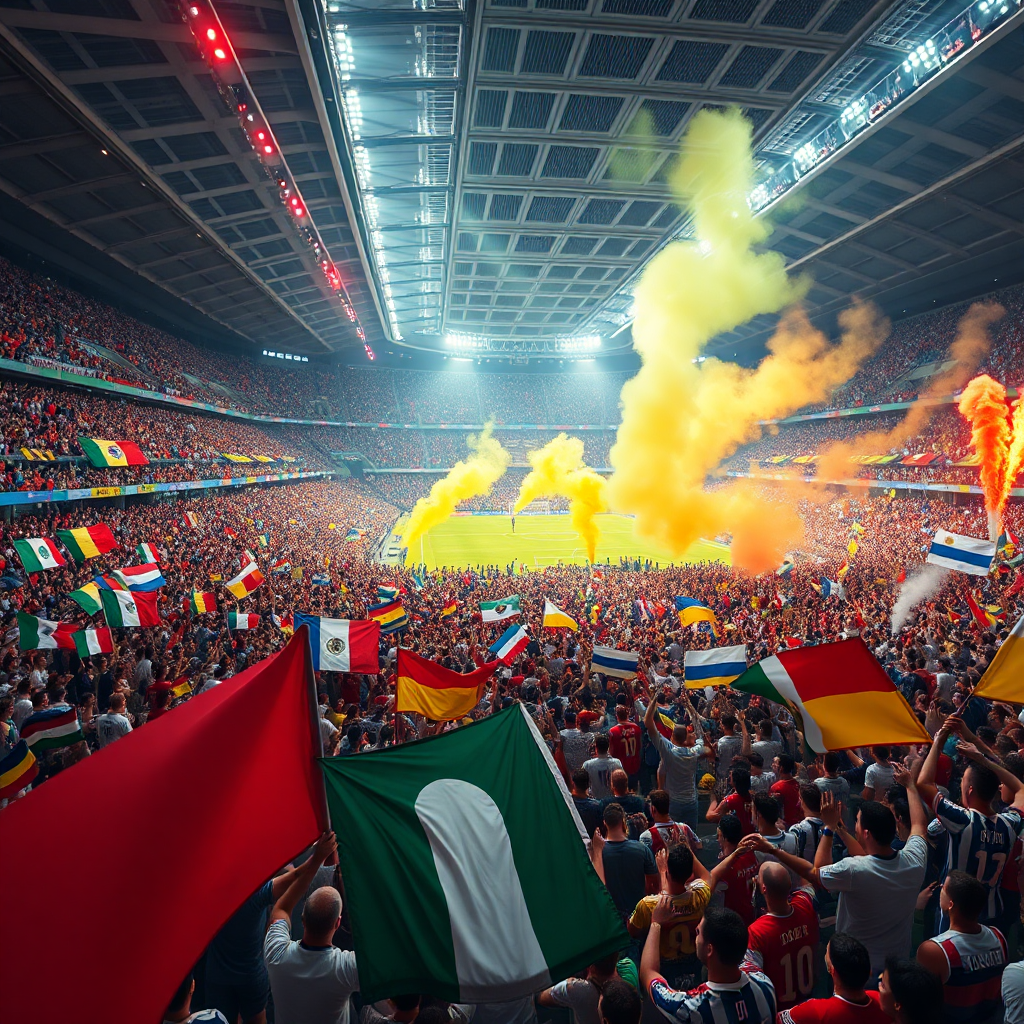 Hình minh hoạ: B52




 Hình minh hoạ: Cakhia yv




 Hình minh hoạ: Cakhia yv


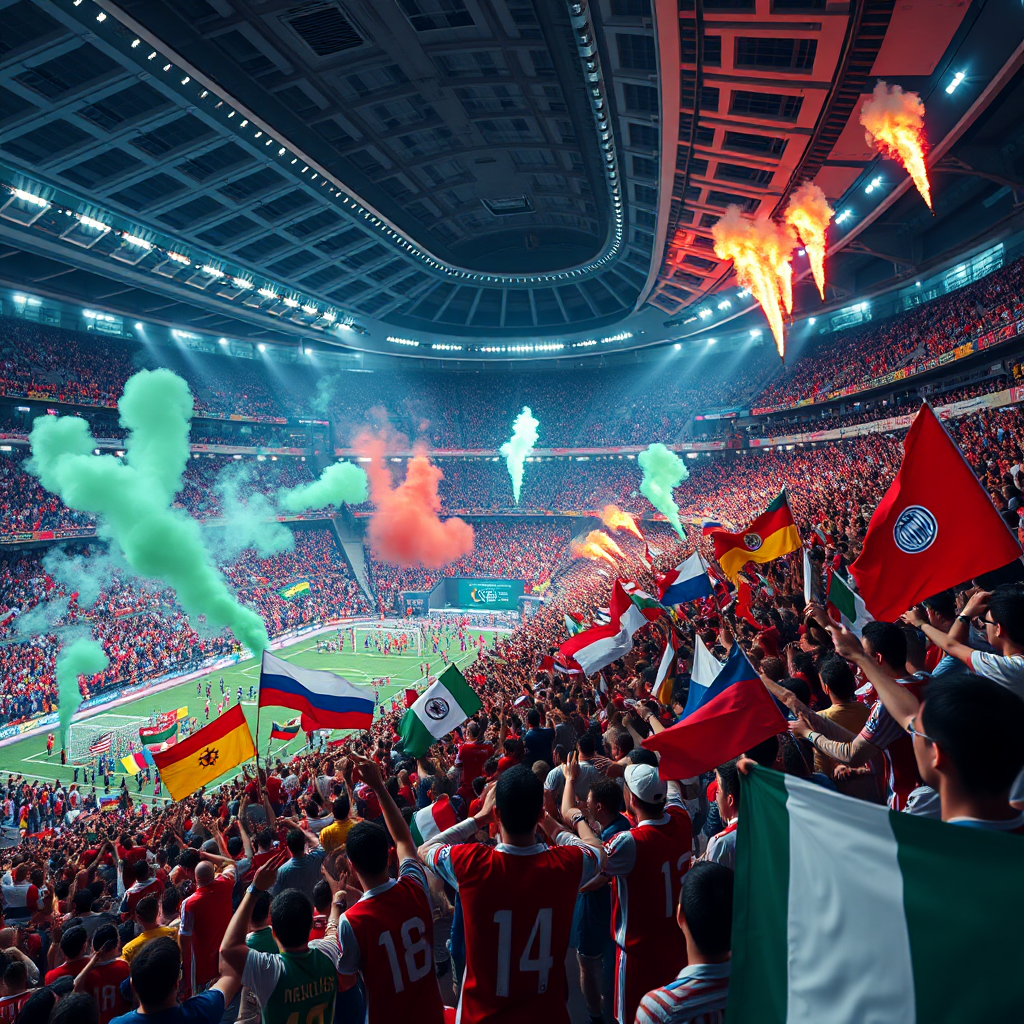

 Hình minh hoạ: FV88




 Hình minh hoạ: https://92lottery.ac/